
Getting your names right in Marketing translation
This is an adaptation of a post that was originally shared on LinkedIn, where I explore the importance of localising names in marketing campaigns. This is the story of how a dog originally called May was the key to the cultural resonance of a vacuum cleaner’s marketing campaign.
It goes like… A couple of days ago, I was transcreating a campaign and translating marketing material for an eco-friendly vacuum cleaner. The ad video showed a man called Peter, looking a bit worried, while May the dog ran around the house, happily leaving fur everywhere. Easy peasy, right? Do the job, have a cuppa, and move on.
Well… not really. What about those names?
Quick fix for the human: just localise “Peter” to “Pedro”. Done. Now have a cuppa and m…
Not yet. What about May? While this campaign highlights the device’s ethical and eco credentials, it is also targeted to pet tutors, so shouldn’t you be asking yourself if “May” would resonate with a Spanish audience?
Right, let’s go with “Linda”.
Wait… really? That’s a very 90’s dog name. Names carry cultural weight and even pet names reflect social and linguistic trends.
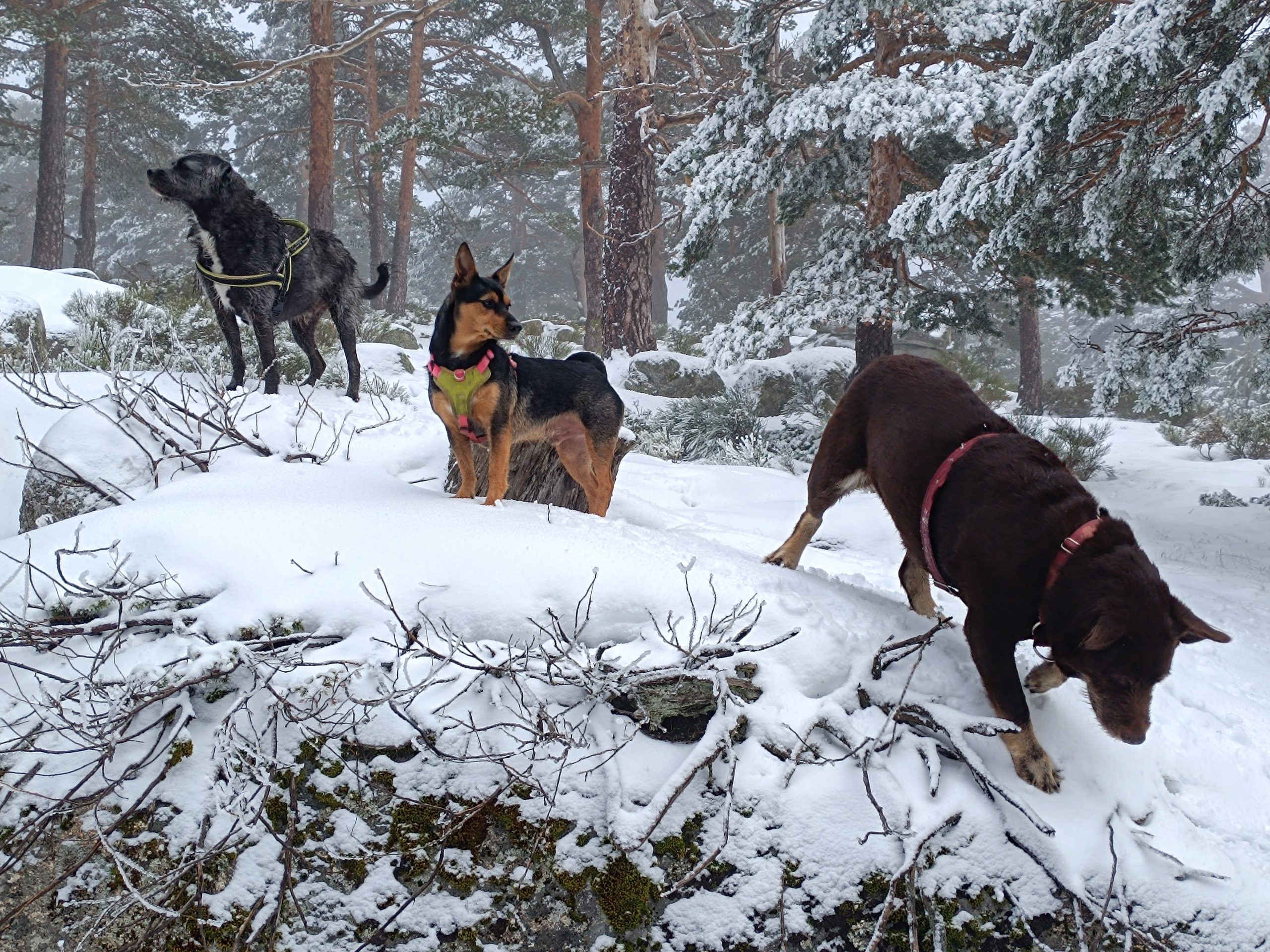
Today, you’re far more likely to meet dogs called “Luna”, “Coco” or “Kira” than “Linda”. Even names like “Maricarmen” and “Pepe” are becoming very popular among dogs. (Hang out in dog-friendly green areas as much as I do and you’ll hear them all day!)
When adapting campaigns for international audiences, context, culture and connection are key. A dog called “May” might feel neutral in English, but you might want to choose a more familiar name in Spanish if you want to speak to your audience’s heart in their own language.
What about you? If you’re a translator, transcreator, or marketer working across languages, I’d love to hear how you handle cultural adaptation in campaigns. Drop me a line at hello@aremwords.com.